- Buying Guide
- Firewood
The Oklahoma Firewood Guide: Best Wood to Burn, BTU Ratings, and How to Season It
Which local woods put out the most heat, how to spot seasoned firewood, and what a cord actually gets you.

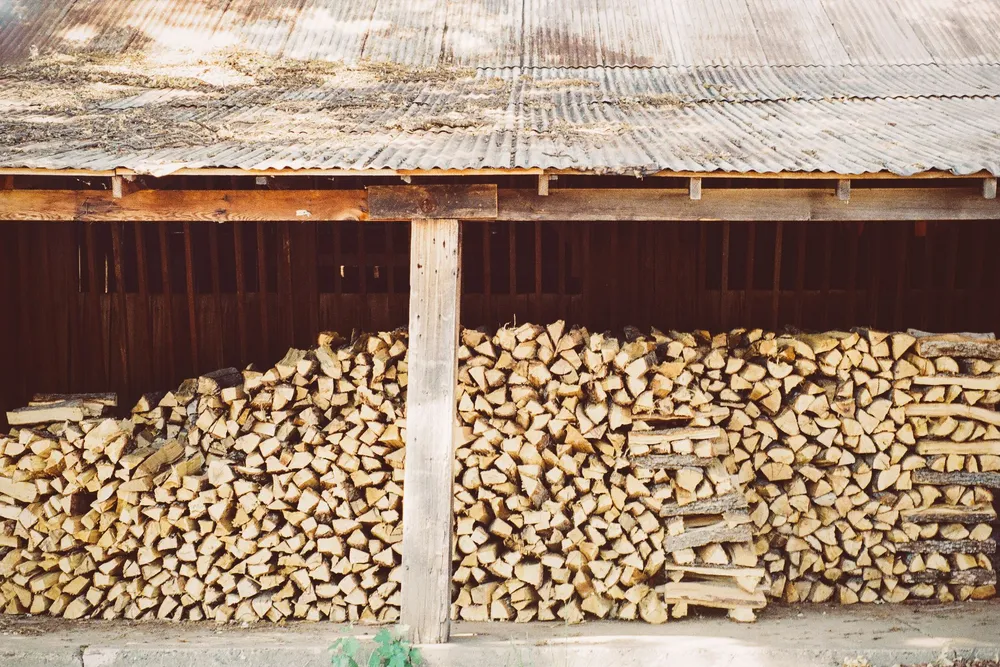
When the first cold snap hits Oklahoma, everyone has the same three questions: what wood should I burn, is this pile actually dry, and how much is a cord? Burn the wrong wood, or wet wood, and you get a smoky, hissing fire that throws almost no heat and cakes your chimney with creosote. Burn the right wood, well seasoned, and one load will heat the room all evening. Here is everything that matters, with the numbers to back it up.
The short version: the best firewood in Oklahoma is well-seasoned dense hardwood, oak, hickory, pecan, or bois d'arc. Heat comes from density, and usable heat only comes from wood dried to under 20 percent moisture. Buy hardwood, buy it seasoned, and store it off the ground.
What actually makes firewood good
Three things decide how well a piece of firewood burns, and only one of them is the species:
- Density. Heat is stored energy, and denser wood packs more of it into every piece. That is why a hardwood like oak heats far better than a soft, fast-growing wood like cottonwood. Firewood heat is measured in BTUs (British Thermal Units), and denser woods carry more BTUs per cord.
- Dryness. Freshly cut ("green") wood is up to half water by weight. That water has to boil off before the wood will burn, which steals heat, makes smoke, and coats your flue with creosote. Seasoning is simply drying the wood down to about 15 to 20 percent moisture so the energy goes into the room instead of up the chimney.
- Coaling. Good firewood burns down to hot, long-lasting coals rather than flashing off in flame. Oak and the hickories are prized for exactly this, which is why they hold heat late into the night.
Get all three right and the fire is easy to light, hot, and long. Miss the dryness part and even the best oak burns like garbage.
Firewood BTU ratings by wood type
Here is how the common Oklahoma firewoods stack up, ranked by the heat they give off per cord when properly seasoned.
| Wood | Heat (million BTU per cord) | Seasons in | Good to know |
|---|---|---|---|
| Bois d'arc (Osage orange) | 32.9 | 12+ months | Hottest wood we have. Sparks and pops, so mix it in or burn it outdoors. |
| White oak | 29.1 | 12 to 24 months | Superb coals and steady, slow heat. Worth the long season. |
| Hickory | 27.7 | 12 months | Top-tier heat and a great smell. A favorite for cooking. |
| Pecan | 27.5 | 12 months | Hickory's cousin. Excellent heat and flavor for the smoker. |
| Red oak | 24.6 | 12 to 24 months | The classic all-purpose firewood. Must be fully seasoned. |
| Ash | 23.6 | 6 to 12 months | Splits easily and burns even a touch green. Very forgiving. |
| Hackberry | 20.8 | 6 to 12 months | Common, decent heat, and seasons fairly fast. |
| Elm (American) | 20.0 | 12 months | Fine heat but stringy and a real pain to split by hand. |
| Cottonwood | 15.8 | 6 to 12 months | Low heat, lots of ash. Save it for mild shoulder-season fires. |
The takeaway: a cord of bois d'arc carries roughly twice the heat of a cord of cottonwood. When you buy hardwood, you are buying heat you do not have to re-buy in another load.
Best firewood for Oklahoma yards
You do not need to chase the top of the chart. For most homes:
- Oak (red, post, or blackjack) is the gold standard. Steady heat, great coals, easy to find locally. It just needs a full season to dry.
- Hickory and pecan match oak for heat and add the aroma that makes them the go-to for smoking and cooking.
- Bois d'arc (Osage orange, hedge) is the heat champion. A little goes a long way. Because it throws sparks, use it in a wood stove or an outdoor fire, or mix a few pieces into an oak fire to push the temperature up.
- Ash and hackberry are the easy, forgiving options. They split cleanly and dry faster, which is handy if you got a late start on the season.
What to skip for indoor fires: softwoods like pine and cedar and low-density woods like cottonwood. They light fast, which makes them fine kindling, but they burn out quickly, leave a lot of ash, and the resin in pine and cedar builds creosote. Never burn painted, stained, treated, or painted pallet wood, and never burn poison ivy or poison oak vines. The smoke is genuinely dangerous.
Seasoned vs green firewood: why it is the whole game
You can own the best oak in the county and still have a miserable fire if the wood is green. Fresh-cut wood can be 45 to 55 percent water. Until that drops under about 20 percent, most of your fire's energy goes into boiling water instead of heating the room. Here is roughly how a split, well-stacked piece of dense hardwood dries over a year in Oklahoma:
Notice how slow the last stretch is. The wood gives up its easy water in the first few months, then creeps down toward that 20 percent line. That is why dense oak really wants a full year, and why "I cut it last month" is not seasoned.
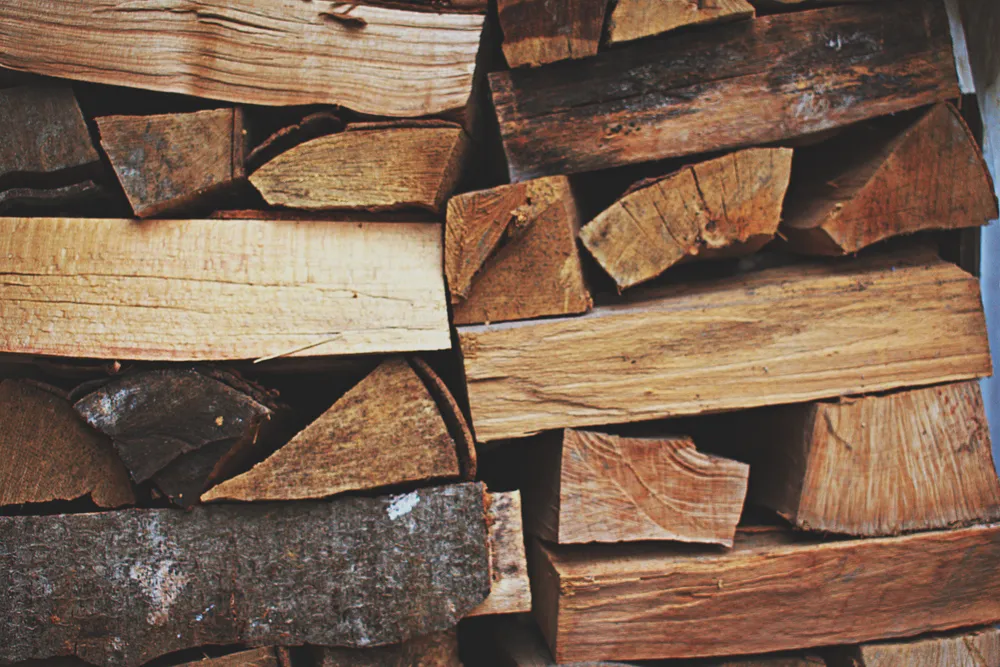
How to tell seasoned firewood from green, with no meter:
- Weight: seasoned wood is noticeably lighter than it looks.
- Color: the cut ends fade from fresh yellow-white to gray or tan.
- Cracks: seasoned ends show radial checks, like spokes, across the grain.
- Bark: it loosens and often falls off.
- Sound: knock two pieces together. Dry wood gives a sharp, hollow crack. Green wood gives a dull thud.
How to season firewood the right way
Seasoning is not complicated, but four things make all the difference:
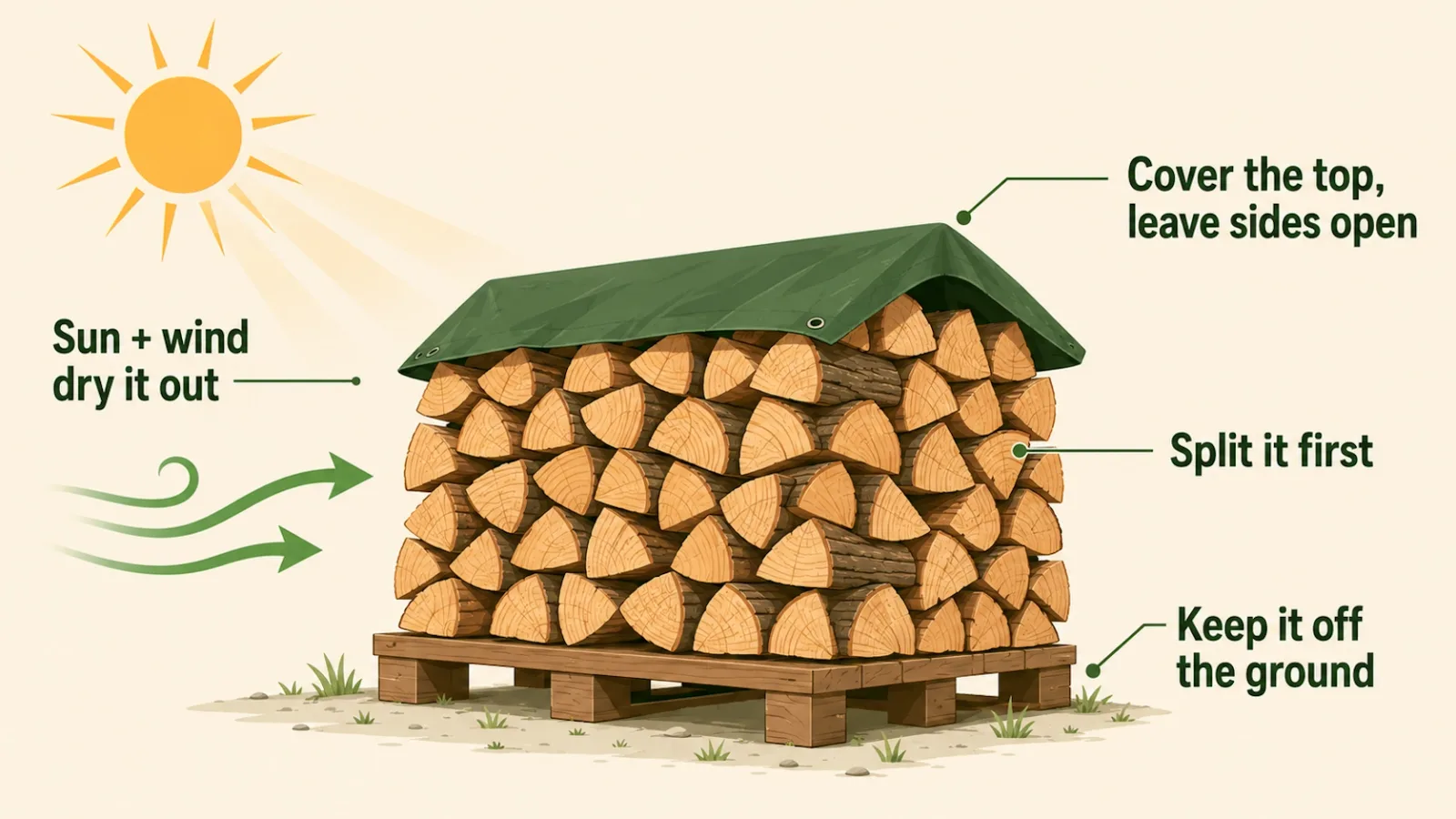
- Split it first. Whole rounds barely dry. Splitting opens the wood so moisture can escape, and smaller splits season faster than big ones.
- Get it off the ground. Stack on pallets, rails, or a couple of 2x4s. Wood sitting on dirt wicks moisture right back up and rots on the bottom.
- Give it sun and airflow. A spot that catches Oklahoma's sun and wind is worth months. Leave gaps between rows so air moves through.
- Cover the top, not the sides. A tarp or roof over just the top sheds rain and snow. Wrapping the whole stack traps moisture and defeats the point.
Start a stack in spring and it is ready by the first fires. Split and stack by late summer and dense woods will be close by deep winter.
What is a cord of firewood?
"Cord" is the honest unit for buying firewood, and it is worth knowing exactly what it means so nobody sells you short.
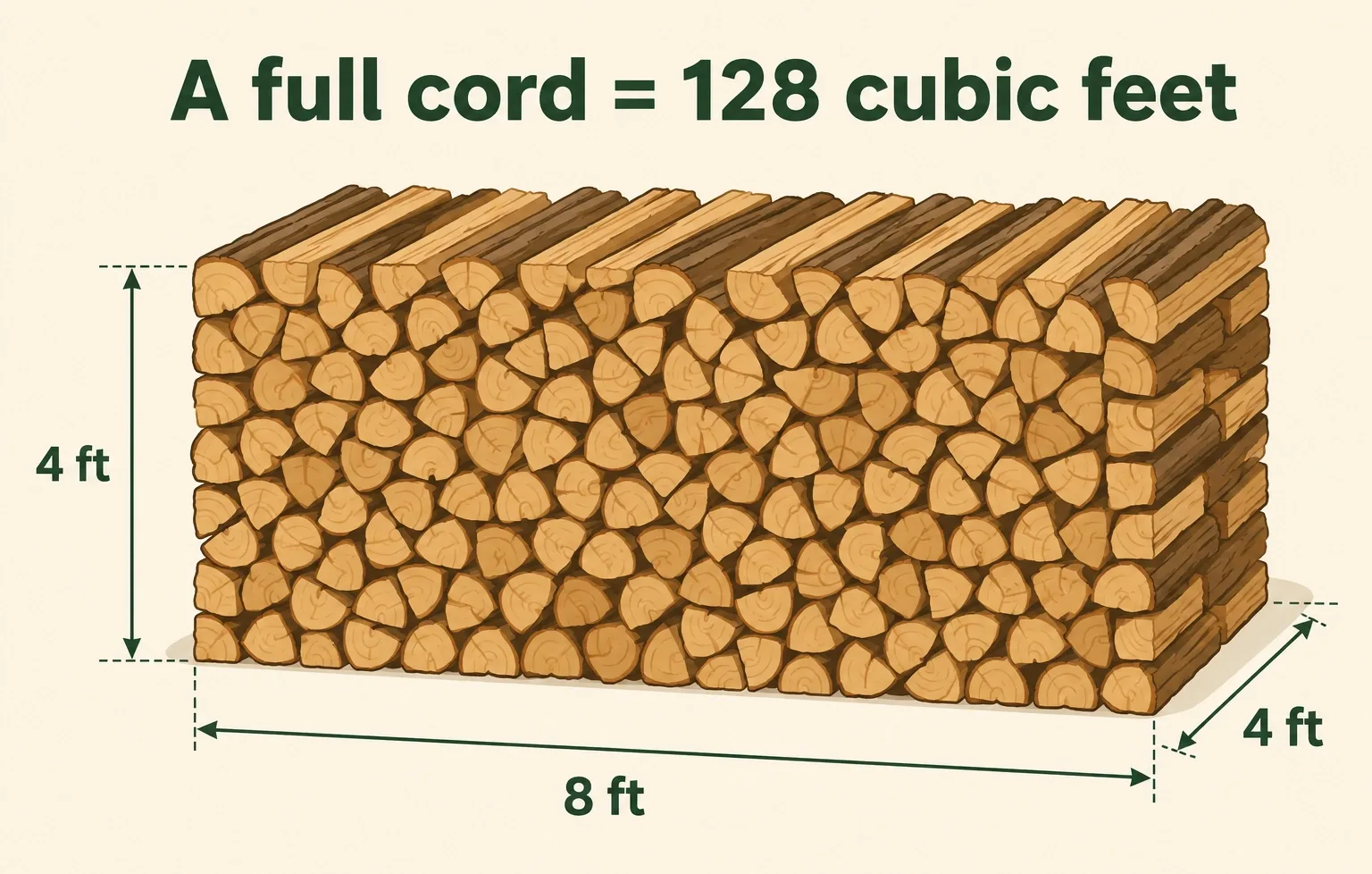
- Full cord: a tightly stacked pile 4 feet tall, 4 feet deep, and 8 feet long, which comes to 128 cubic feet.
- Face cord (or rick): 4 feet tall and 8 feet long, but only as deep as the pieces are long, usually about 16 inches. That makes a face cord roughly a third of a full cord.
The lesson: when you compare firewood prices, always ask whether it is a full cord, a face cord, or a "truckload," and whether it is seasoned. A cheap "cord" that turns out to be a face cord of green wood is no bargain.
How much firewood will you actually burn?
You do not need a spreadsheet, just a sense of scale:
- Occasional weekend fires in a fireplace or fire pit: a face cord often lasts a casual burner most of a winter.
- Regular evening fires all season: plan on one full cord or a little more.
- Heating a room or the house with a wood stove: two to four full cords a winter is common, more in a hard one.
Buy a bit more than you think, seasoned, and stack it now. Wood keeps for years if it stays dry, and you will not be caught buying overpriced bundles during a cold snap.
Storing firewood without inviting pests
Seasoned firewood stores easily, but a couple of habits keep it burning clean and keep bugs out of the house:
- Keep the stack off the ground and away from the house, not stacked against the siding or stored in the garage for months. Wood piles are a natural home for insects, and you do not want that traffic against the foundation.
- Bring in only a day or two of wood at a time. A rack by the door is plenty. Firewood warms to room temperature and any hitchhiking bugs wake up, so you want it burned, not sitting inside.
- Keep the top covered and the sides open even in storage, so it stays dry without trapping moisture.
Buying firewood in Oklahoma
By the time firewood weather arrives, the good seasoned wood goes fast, so the move is to line it up early. When you buy, look for:
- Real hardwood, oak, hickory, pecan, or a mixed hardwood load, not a mystery mix of soft scraps.
- Seasoned and ready to burn, or green wood priced accordingly if you are stocking up for next year.
- An honest unit, a full or face cord clearly stated, not a vague "truckload."
- Delivery, so you are not hauling and stacking a cord out of a pickup a few pieces at a time.
We sell seasoned hardwood firewood by the cord, for pickup at our Norman yard or delivery across the Norman and OKC metro. It is stacked, seasoned, and ready to keep you warm. You can see it alongside everything else we carry on our materials page.
The bottom line
Great fires are not luck. Burn dense hardwood, oak, hickory, pecan, or bois d'arc, make sure it is seasoned under 20 percent moisture, and store it off the ground with the top covered. Get those right and every load earns its keep. When you are ready to stock up for the season, reach out and we will set you up with seasoned firewood, picked up or delivered.
People Also Ask
Common Questions About This Topic
What is the best firewood in Oklahoma?
The best all-around firewood in Oklahoma is a well-seasoned dense hardwood: oak, hickory, pecan, or bois d'arc (Osage orange). They burn hot, last long, and build good coals. Bois d'arc puts out the most heat of any local wood but pops and sparks, so it is best mixed in or burned outdoors. Whatever the species, the wood has to be seasoned to under 20 percent moisture to burn well.
How can I tell if firewood is seasoned?
Seasoned firewood is lighter than it looks, faded gray or tan instead of fresh yellow, and cracked in checks across the cut ends. The bark loosens or falls off, and two pieces knocked together give a sharp hollow crack instead of a dull thud. Green wood is heavy, hisses, and is hard to keep lit.
How long does firewood take to season in Oklahoma?
Most split hardwood needs 6 to 12 months of seasoning in Oklahoma. Dense woods like oak and bois d'arc need a full 12 months or more, while ash and hackberry can be ready in 6 to 9. Splitting the wood, stacking it off the ground where sun and wind reach it, and covering only the top all speed it up.
What is a cord of firewood?
A full cord is a stack 4 feet tall, 4 feet deep, and 8 feet long, which works out to 128 cubic feet of tightly stacked wood. A face cord (or rick) is 4 feet tall and 8 feet long but only about 16 inches deep, so it is roughly a third of a full cord. Always ask which one a price refers to.
Does firewood attract termites or other pests?
Firewood can harbor insects, so store it off the ground and away from the house, never stacked against siding or in the garage long term. Bring in only what you plan to burn in the next day or two. Stacked properly out in the yard, seasoned firewood is not a problem.
Is it cheaper to buy firewood by the cord?
Yes. Bundles at the store are the most expensive way to buy wood by volume. Buying seasoned firewood in bulk by the cord, picked up or delivered, costs far less per fire and means you are set for the season. Call us for current cord pricing and delivery across the Norman and OKC metro.