- Mulch
- Oklahoma Landscaping
The Best Mulch for Oklahoma Landscapes (Built for Heat and Wind)
Which mulches stand up to Oklahoma sun, clay, and wind, and how to make them last.

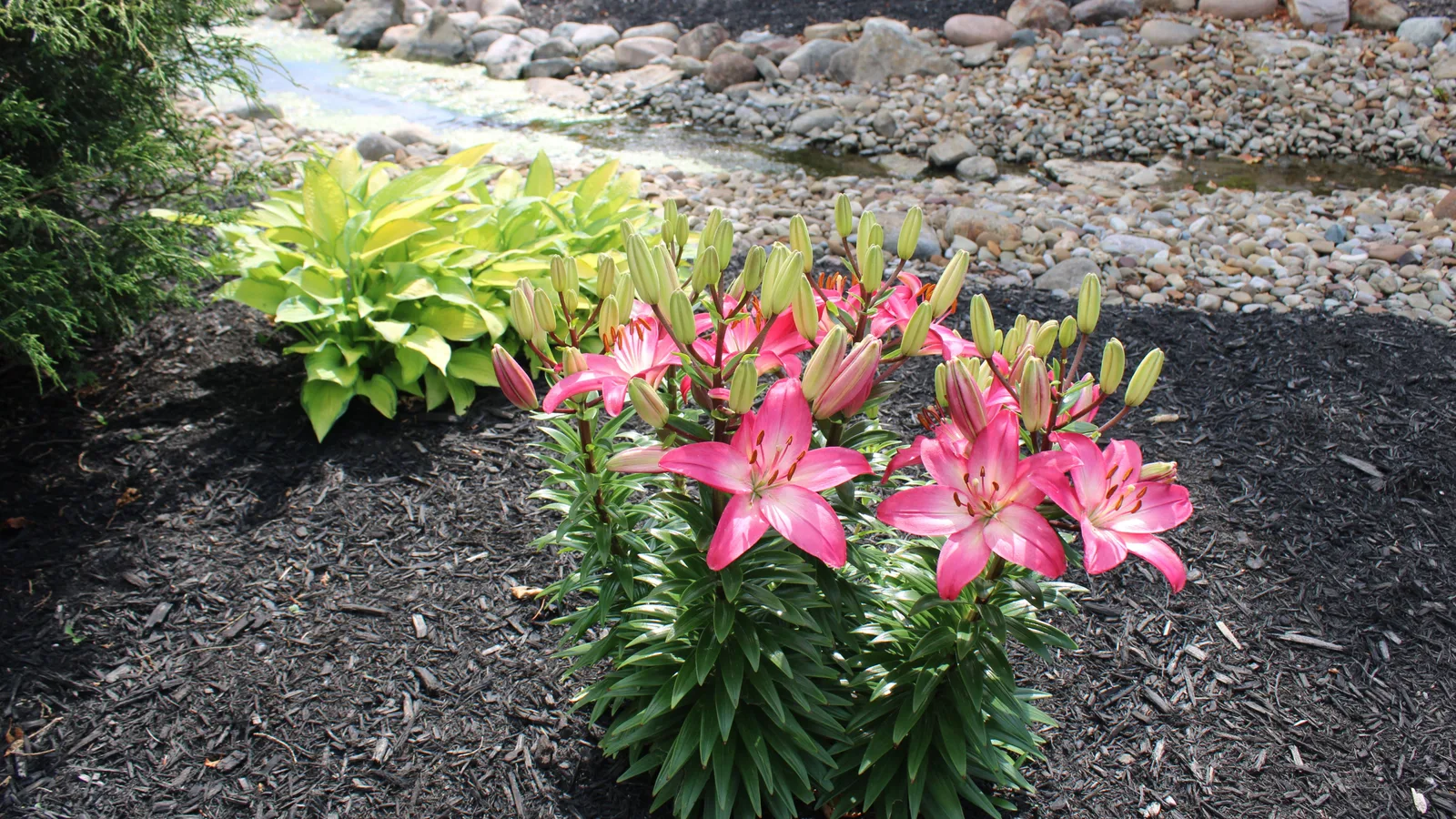
Oklahoma is hard on mulch. Long stretches of high heat, sudden downpours, steady wind, and heavy red clay all work against a bed of mulch. The right choice, spread the right way, holds up through all of it and actually makes your soil better. Here is what works.
What Oklahoma throws at your beds
Before picking a mulch, it helps to know what it is up against here:
- Heat and sun that dry beds out fast and fade mulch color
- Wind that scatters light, loose material
- Downpours that wash mulch off slopes
- Red clay that bakes hard and sheds water
The best mulch for Central Oklahoma is one that mats down, shades the soil, and stays where you put it.
The mulches that hold up best
Cedar mulch. Shredded cedar is our top pick for exposed and sloped beds. The strands knit together so wind and rain do not move it, it lasts a long time, and its natural oils help discourage some pests. See it on our cedar mulch page.
Shredded hardwood and natural mulch. A workhorse for large beds. It mats down to hold moisture and breaks down into the clay to improve it over time.
Pine bark. Great looking and budget friendly on flat, sheltered beds. On slopes or windy spots the nuggets can drift, so save it for protected areas.
Colored mulch. Black, brown, and red colored mulches hold their look well and are shredded, so they resist wind while adding a bold, finished edge to a landscape.
You can compare all of these on our main mulch page.
Spread it right, and it lasts
Even the best mulch fails if it is too thin or too deep. For Oklahoma:
| Step | What to do |
|---|---|
| Depth | Keep it 2 to 3 inches, no more |
| Trees | Pull mulch a few inches off the trunk |
| Refresh | Add about an inch on top each spring |
| Clay | Lay compost under the mulch to improve the soil |
The single biggest thing you can do for Oklahoma beds: put down a layer of compost first, then mulch on top. The compost feeds the clay while the mulch protects it.
Get set for the season
Pick a shredded mulch for anything exposed, keep it 2 to 3 inches deep, and refresh it each spring. That simple routine keeps Oklahoma beds cooler, cleaner, and healthier all year. Browse our mulch selection or call us and tell us about your yard. We will point you to the right mulch and get it to you by pickup or delivery.
People Also Ask
Common Questions About This Topic
What is the best mulch for Oklahoma heat?
Shredded hardwood and cedar mulch hold up best in Oklahoma heat. They mat together to shade the soil, slow evaporation, and keep roots cooler through the summer. A 2 to 3 inch layer makes the biggest difference in how well your beds handle the heat.
Which mulch holds up best in Oklahoma wind?
Shredded mulches like cedar and hardwood resist wind far better than loose bark nuggets because the strands knit together. On exposed or sloped beds, a shredded mulch spread 2 to 3 inches deep will stay put through Oklahoma wind much better than chunky nuggets.
Does mulch help with Oklahoma red clay?
Yes. Mulch keeps clay soil from baking hard and cracking, holds moisture longer, and slowly adds organic matter as it breaks down. Pairing mulch with a compost layer underneath is one of the best ways to improve stubborn red clay over time.
How often should I replace mulch in Oklahoma?
Most yards need a fresh top layer once a year, usually in spring. Rather than removing the old mulch, add about an inch on top to restore color and depth. Full sun fades mulch color faster here, so an annual refresh keeps beds looking sharp.