- Mulch
- Comparison
Cedar Mulch vs. Pine Bark: Which Is Better for Oklahoma Yards?
How the two most popular mulches compare on cost, longevity, and Oklahoma weather.
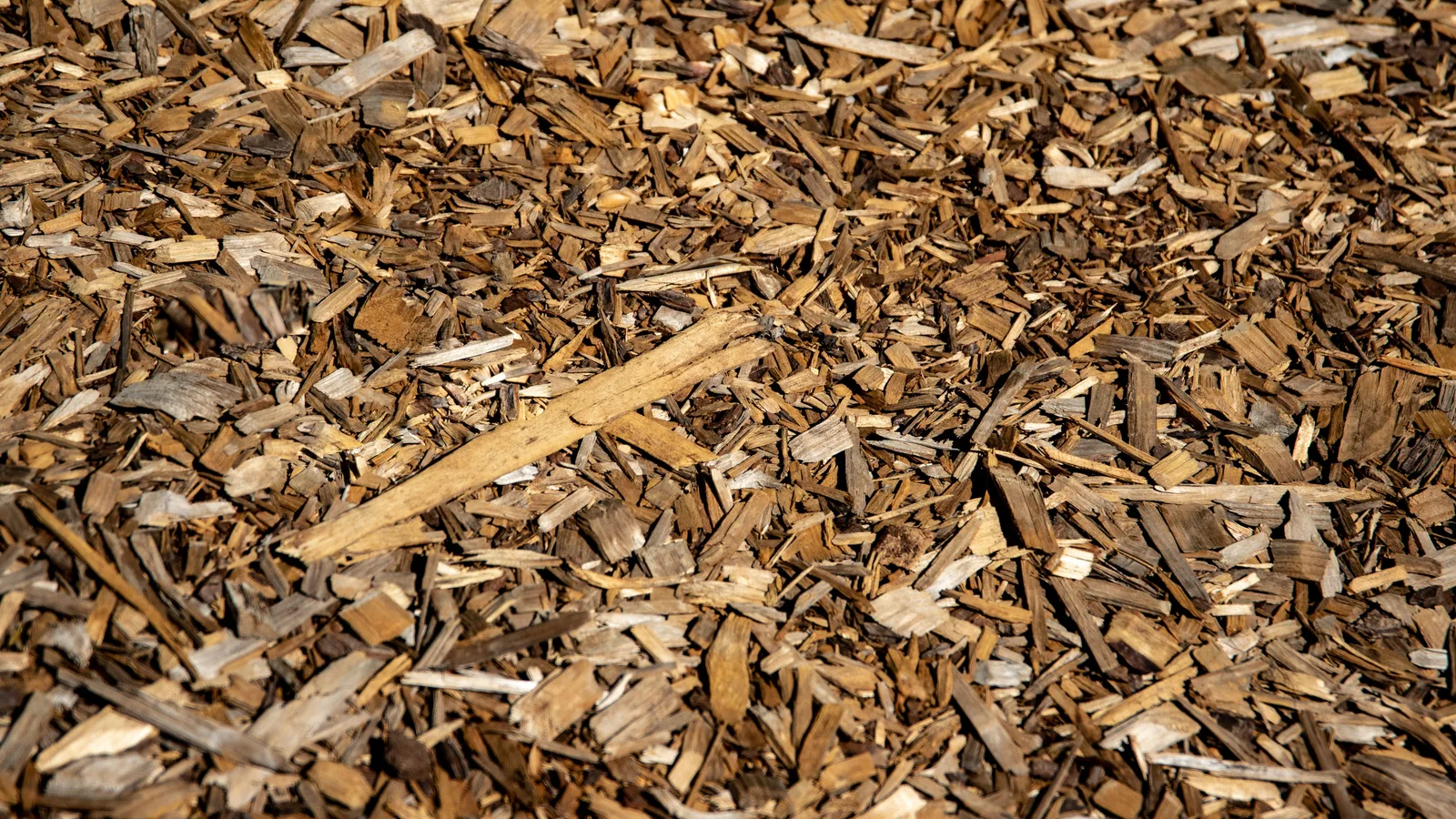
Cedar mulch and pine bark are the two mulches we get asked about most at the yard. Both look great and protect your soil, but they behave differently in Oklahoma sun, wind, and clay. Here is a straight comparison to help you choose.
Cedar mulch
Cedar is a shredded wood mulch with long, stringy strands that lock together once they settle. That knitting is why cedar stays put on slopes and holds up when the wind kicks up, which matters a lot in Central Oklahoma.
A few things cedar does well:
- Lasts longer than most mulches before it breaks down
- Resists wind and washout because the strands mat together
- Smells great and its natural oils help discourage some insects
- Holds a warm, natural color that suits most homes
We carry several grades, including A-grade and finer cedar. You can see the options on our cedar mulch page.
Pine bark
Pine bark comes in chunks or nuggets rather than shredded strands. It has a darker, richer look that many people love around foundation beds and shrubs, and it is often a little easier on the budget.
What to know about pine bark:
- Darker, chunkier look that reads clean and tidy
- Usually a bit cheaper than premium cedar
- Breaks down into the soil nicely over time
- Larger nuggets can float and wash on slopes or in heavy rain
Pine bark lives on our natural mulch page if you want to see it.
Side by side
| Factor | Cedar mulch | Pine bark |
|---|---|---|
| Longevity | Longer | Good |
| Wind and slope | Excellent, strands knit together | Nuggets can shift |
| Look | Warm, natural, shredded | Dark, chunky |
| Bug resistance | Natural oils help | Neutral |
| Cost | Mid to premium | Budget friendly |
So which should you pick?
The short version: choose cedar for sloped, windy, or high-traffic beds where you want the longest-lasting hold, and choose pine bark for a darker look on flat, sheltered beds at a friendlier price.
Plenty of Oklahoma yards use both: cedar on the exposed, sloped, or high-traffic beds, and pine bark on the sheltered foundation beds. Whatever you choose, see the full mulch lineup or call us and we will help you match the right mulch to your yard.
People Also Ask
Common Questions About This Topic
Is cedar mulch better than pine bark?
Neither is strictly better. Cedar mulch lasts longer, resists wind well because the shredded strands knit together, and gives off a scent many people like. Pine bark is often a little cheaper and has a darker, chunkier look. For most Oklahoma beds on slopes or in wind, cedar has the edge.
Does cedar mulch keep bugs away?
Cedar contains natural oils that many insects avoid, so it can help discourage some pests around the yard. It is not a substitute for pest control, but it is a nice bonus that pine bark does not offer.
Which mulch lasts longer, cedar or pine bark?
Cedar generally holds its color and structure a bit longer than pine bark before it breaks down. Both will fade over a season or two in full Oklahoma sun, and both can be refreshed with a thin top layer each spring.
Does pine bark wash away?
Larger pine bark nuggets can float and wash out of beds on slopes or in heavy rain. Shredded cedar knits together and stays put better on grades. On flat beds, both hold fine.