- Buying Guide
- Gravel
How Much Gravel Do I Need for a Driveway? Calculate Cubic Yards
A simple formula, the right depth for a gravel driveway, and which gravel holds up in Norman, OK.

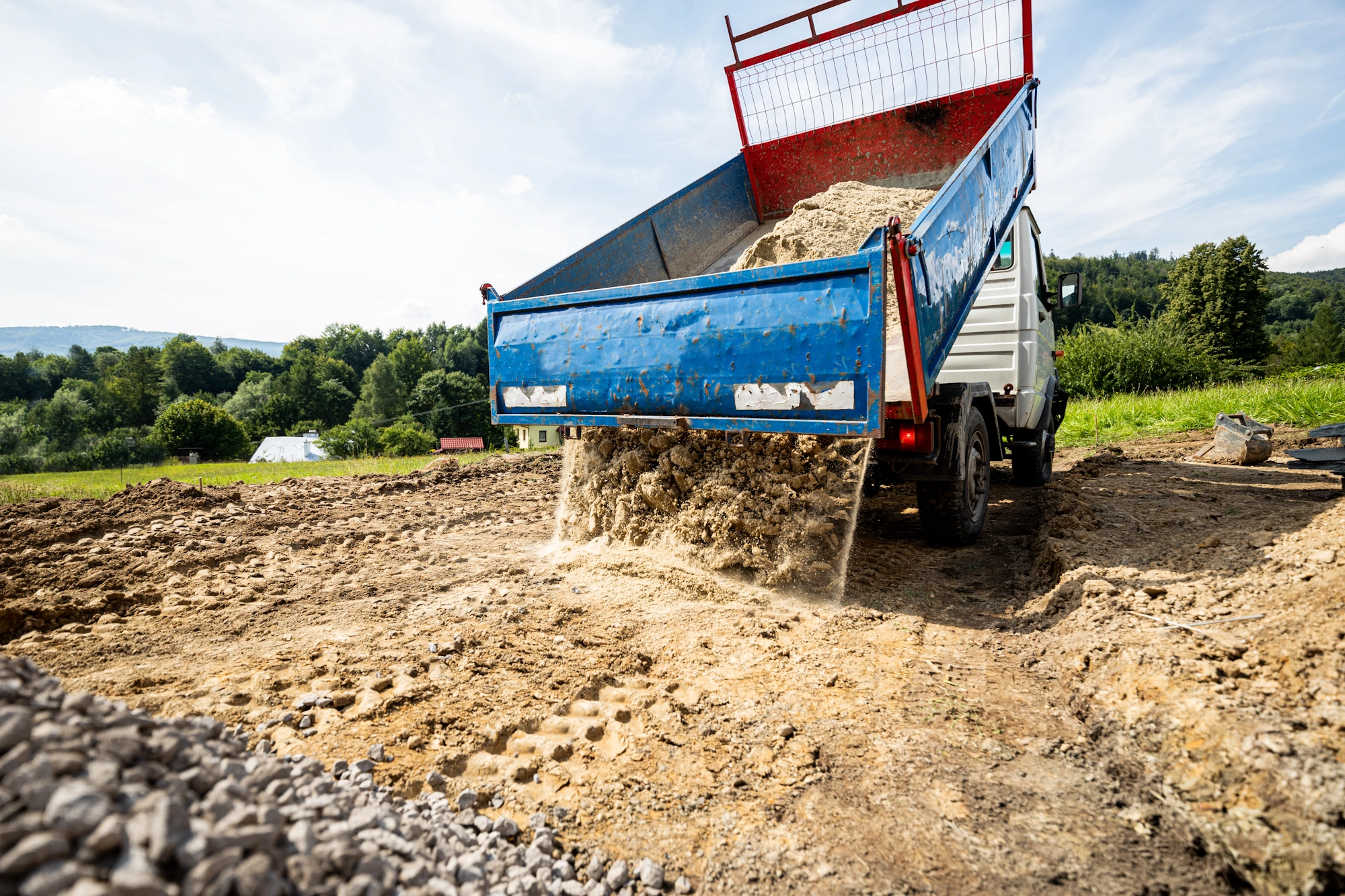
A gravel driveway is one of the most affordable, low-maintenance surfaces you can put down, but order too little and you end up with bare, muddy patches. Order too much and you have a pile to move. Here is how to get the amount right, prep it so it lasts, and keep it looking good for years.
The one formula you need
Gravel is sold by the cubic yard, so you need to turn your flat driveway into a volume. Measure the length and width in feet, pick your depth, and use this:
(Length in feet) x (Width in feet) x (Depth in inches) ÷ 324 = cubic yards
A standard two-car driveway, 20 feet by 40 feet at 4 inches deep, works out to 20 x 40 x 4 = 3,200, divided by 324, or about 10 cubic yards.
For a long or oddly shaped driveway, break it into rectangles, figure each one, and add them together. Round up to the nearest yard when you order so you are not left short.
Quick coverage chart
If you would rather skip the math, one cubic yard of gravel covers roughly this much driveway:
| Depth | Coverage per cubic yard |
|---|---|
| 2 inches | about 160 sq ft |
| 3 inches | about 100 sq ft |
| 4 inches | about 80 sq ft |
So a 400 square foot driveway at a full 4 inches needs about 5 cubic yards.
How deep should a gravel driveway be?
For a new gravel driveway, plan on about 4 inches of gravel. That is enough to carry vehicle weight, drain well, and keep tires from pushing down to the dirt.
If you are refreshing an existing driveway that has thinned out or developed low spots, you usually only need about 2 inches of fresh gravel to level it back up. On a longer driveway or soft ground, a lot of people lay a coarser base rock first and top it with 1-inch gravel for a cleaner driving surface. If you are not sure what your ground needs, tell us about the site and we will point you the right way.
Prep the ground first
The gravel is only as good as what is under it. Before any stone goes down, clear the grass, weeds, and loose topsoil so your gravel sits on firm ground instead of soft sod that will sink and rut.
Over Oklahoma's red clay, which holds water and turns slick when wet, it pays to lay a geotextile fabric first. The fabric keeps your gravel from mixing down into the clay and stops weeds from pushing up through it. On soft or low ground, put down a base layer of larger crushed rock, compact it, then top it with 1-inch gravel. That base is what keeps a driveway from disappearing into the mud after a wet winter.
What size gravel is best?
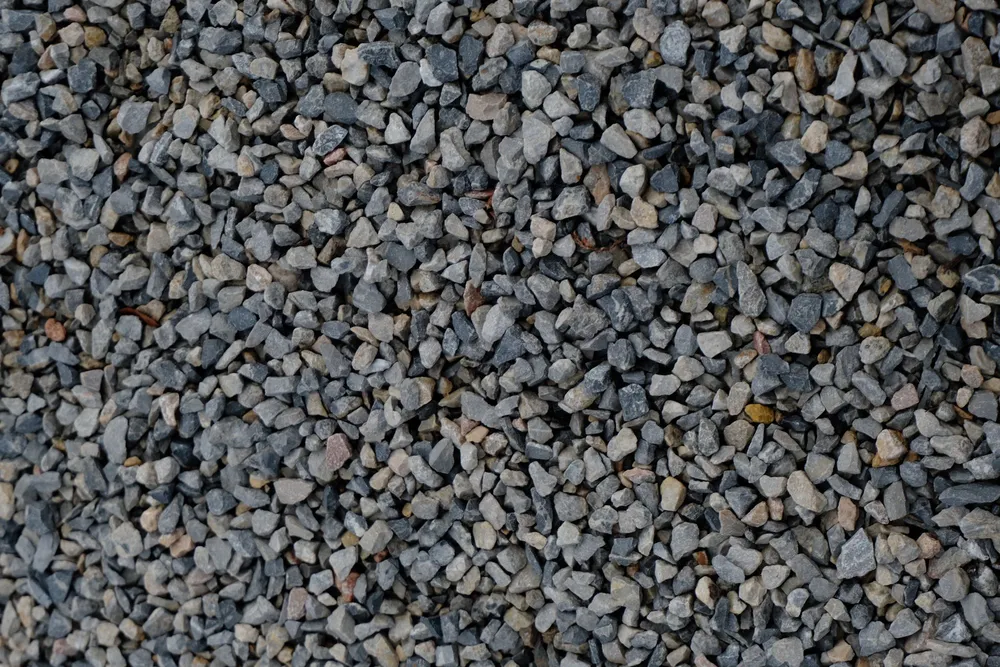
One-inch gravel is the workhorse for driveways here. The crushed, angular pieces knit together under vehicle weight so the surface stays put, sheds water, and holds up to Oklahoma heat and storms. Rounded stone like pea gravel looks nice but scatters and rutts under tires, so it is better for paths and beds than for driving on.
If you are weighing options, screened asphalt millings are another popular low-cost driveway surface that binds and hardens over time. See our asphalt millings page if you want to compare the two.
Grade it for drainage
Water is what tears a gravel driveway apart. Shape the surface with a slight crown down the middle or a gentle slope to one side so rain runs off instead of pooling and cutting ruts. Keep the driveway a touch higher than the ground beside it, and if water tends to collect, a shallow ditch or a French drain along the low edge saves you a lot of regrading later.
In Oklahoma, where a summer storm can drop inches of rain in an hour, good drainage is the difference between a driveway that lasts years and one you are patching every season.
Keep it looking good
A gravel driveway is low-maintenance, not no-maintenance, and a little upkeep goes a long way:
- Top it off. Every year or two, add a cubic yard or two to fill thin spots and keep the surface full.
- Drag it level. After heavy storms, rake or drag the high spots back into the ruts and potholes so it stays smooth.
- Stay ahead of weeds. Pull or spray anything that sneaks through early, before it takes hold.
Common mistakes to avoid
- Going too shallow. Less than about 4 inches on a new driveway and tires push straight through to the dirt.
- Using the wrong stone. Rounded pea gravel scatters and rutts. Stick with angular 1-inch gravel for anything you drive on.
- Skipping the base. On soft ground or clay, gravel with no base layer just sinks and vanishes.
- Ignoring drainage. No crown or slope means standing water, ruts, and washouts after every storm.
Bulk vs. bags
A driveway is exactly where bulk wins. One cubic yard equals dozens of bags, and even a small driveway takes several yards, so bagged gravel gets expensive and painful to haul fast. Buying bulk by the cubic yard is cheaper per yard, quicker to spread, and means no stack of empty bags to deal with.
Ready to order?
Measure your driveway, run the numbers, and round up a little. Then take a look at our driveway gravel and landscape rock, and give us a call with your cubic yards. We will load you up at the yard or deliver it to your door across Norman and the OKC metro. Not sure on your total or what your driveway needs? Reach out with your measurements and we will help you sort it out.
People Also Ask
Common Questions About This Topic
How much gravel do I need for a driveway?
Multiply the driveway length by the width in feet, multiply by the depth in inches, then divide by 324. A standard two-car driveway, 20 by 40 feet at 4 inches deep, works out to 20 x 40 x 4 = 3,200, divided by 324, or about 10 cubic yards.
What size gravel is best for a driveway?
One-inch gravel is the go-to for driveways in Oklahoma. The angular edges lock together under vehicle weight so it stays in place and drains well. Skip pea gravel and other rounded stone for driveways, since it scatters and rutts under tires.
How deep should driveway gravel be?
About 4 inches for a new gravel driveway. If you are topping off an existing driveway that has thinned out or developed low spots, 2 inches of fresh gravel is usually enough to level it back up.
Do I need fabric or a base under a gravel driveway?
Over Oklahoma red clay or soft ground, yes. A geotextile fabric keeps gravel from sinking into the clay and blocks weeds, and a compacted base layer of larger rock gives the surface something solid to sit on so it lasts much longer.
Is bulk gravel cheaper than buying bags?
For a driveway, it is not close. A driveway takes several cubic yards, and one cubic yard equals dozens of bags. Bulk gravel by the cubic yard is far cheaper per yard and saves you hauling and dumping a truckload of bags.