- Buying Guide
- Mulch
Is Colored Mulch Safe for Plants?
What the dye actually is, whether it is safe around plants, pets, and vegetables, and the one place we still say use natural.
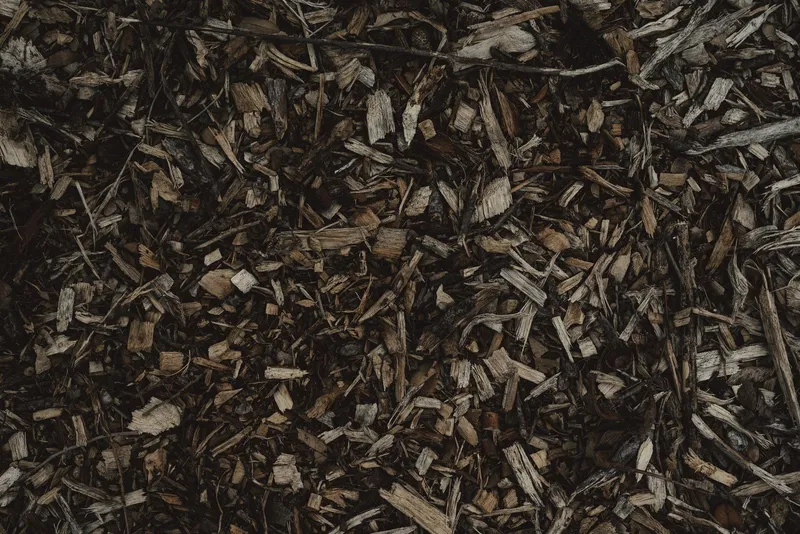
Short answer: yes, colored mulch is safe for your plants. The dye on a quality colored mulch is harmless to plants, soil, and pets once it has cured. The pigments are the same ones used in cosmetics, concrete, and food coloring, and they are inert. The real question was never whether the dye is toxic; it is where to use colored mulch and where to stick with natural. Here is the honest breakdown.
What the dye actually is
People picture something chemical and harsh. It is the opposite of that:
- Red and brown mulch are tinted with iron oxide. That is essentially rust, the same pigment used in makeup, concrete coloring, and countless everyday products. It is naturally occurring and inert.
- Black mulch is colored with carbon. That is the same material used in food coloring and a component of healthy soil itself.
These colorants coat the wood and, once dry, stay put and do nothing to your plants. Universities that have looked at this, including extension programs like Oklahoma State University Extension, consistently find the dyes themselves are not a danger to plants or people. The only practical note: fresh dyed mulch can stain hands, clothes, and concrete for a day or two until it sets, so spread it, let it dry, and rinse any overspray off the driveway.
Colored mulch, by color
| Color | What tints it | Best use |
|---|---|---|
| Black | Carbon | Modern, high-contrast beds; sets off green plants and light homes |
| Red | Iron oxide | Bold, warm look; popular around brick and stone |
| Brown | Iron oxide | Natural-looking color that lasts longer than undyed mulch |
All three do the same job any mulch does: hold moisture, block weeds, and steady soil temperature. The difference is that the pigment helps them hold their color longer than natural mulch, which grays out faster in the Oklahoma sun. That lasting color is the main reason people choose it.
Pets: the one mulch to actually avoid
Colored wood mulch is safe around dogs and cats. No pet should be eating mulch of any kind, but the dye is not the worry. The mulch that genuinely is dangerous to dogs is cocoa bean mulch, which contains theobromine, the same compound that makes chocolate toxic to dogs. It smells like chocolate, which is exactly the problem. We do not carry it, and the ASPCA lists it as a hazard for dogs. Standard cedar, hardwood, and colored wood mulches do not carry that risk.
The honest part: use natural in the vegetable garden
Here is where we point you away from the colored product. For vegetable gardens and around fruit trees you harvest from, use an undyed natural mulch, not colored. To be clear, this is not because the dye is dangerous. It is because there is no reason to introduce color where you are growing food, and natural mulch breaks down faster and feeds the soil, which is what a productive vegetable bed actually wants. Colored mulch earns its keep in ornamental beds where a clean, lasting look is the goal. Match the mulch to the bed and everyone is happy.
Buying colored mulch you can trust
Quality varies across colored mulches, so buy from a supplier who stands behind the product and can show you the actual pile before you buy. Look for even color and a clean, consistent grind. We carry black, red, and brown colored mulch by the cubic yard alongside our natural, cedar, and pine bark mulch, with per-yard pricing on the pricing page. Want to see the current colors in person? Stop by our Norman yard or call (405) 826-2001, and we will help you pick the right mulch for the right bed.
People Also Ask
Common Questions About This Topic
Is colored mulch safe for plants?
Yes. The colorant on quality colored mulch is safe for plants once it has cured. Red and brown mulch are tinted with iron oxide, which is essentially rust and the same pigment used in cosmetics and concrete. Black is colored with carbon, the same material used in food coloring and found naturally in soil. These pigments are inert and do not harm plants, soil, or the microbes in it.
Is dyed mulch safe for pets and dogs?
Colored wood mulch is safe around dogs and other pets. Dogs should not eat any mulch, dyed or natural, but the dye itself is not the concern. The one mulch to genuinely avoid if you have dogs is cocoa bean mulch, which contains theobromine, the same compound that makes chocolate toxic to dogs. We do not carry cocoa mulch. Standard cedar, hardwood, and colored wood mulches are the safe choices.
Is colored mulch safe for vegetable gardens?
We recommend an undyed natural mulch for vegetable gardens and around fruit trees, not because the dye is dangerous, but because there is no reason to add color where you are growing food, and natural mulch breaks down faster to feed the soil. Save colored mulch for ornamental beds where the look matters, and use plain natural mulch in the vegetable patch.
Does colored mulch fade?
It fades slower than natural mulch, which is one reason people choose it. Iron oxide and carbon pigments hold their color well, so a quality colored mulch keeps its look for a season or more, while undyed mulch grays out faster in the sun. Color still softens over time, so a light refresh each year keeps beds looking sharp.
What colors of mulch do you carry near Norman?
We carry black, red, and brown colored mulch by the cubic yard, alongside natural, cedar, and pine bark mulch, for pickup or delivery from our Norman yard. Colored mulch is a popular choice for a clean, finished look in ornamental beds. Call (405) 826-2001 to check current colors in stock and get per-yard pricing.