- Buying Guide
- Gravel
Gravel Size Guide: Choosing Rock for Driveways and Landscaping in Oklahoma
How gravel sizing works, the two-layer driveway that actually holds up, and which rock fits paths, drainage, and beds.

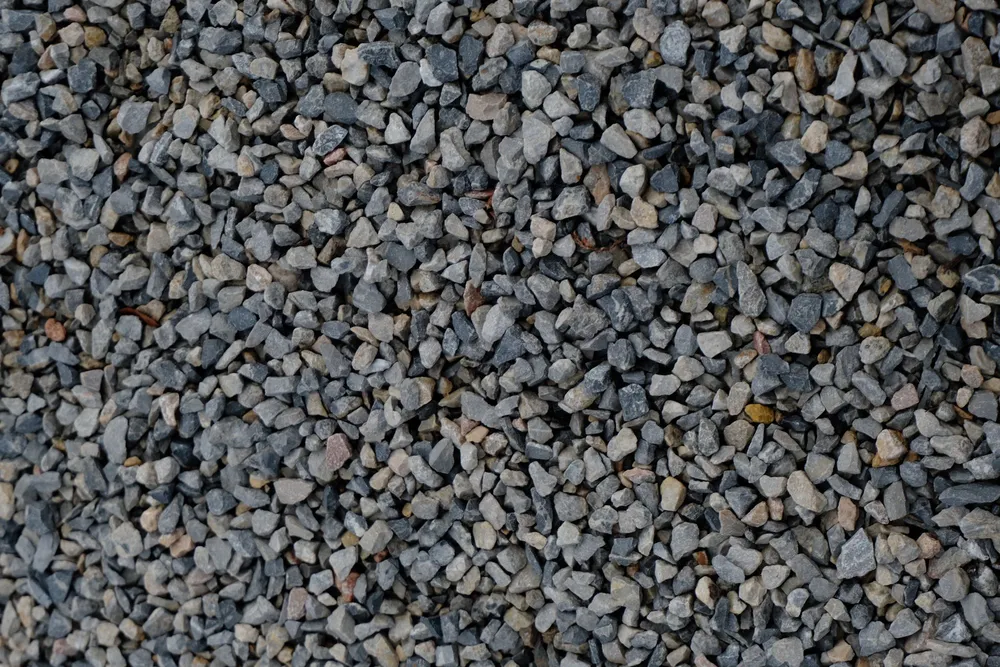
The short version: a driveway wants two sizes of rock, and landscaping rock is sized by its job. For a driveway, you build a base of larger, angular stone or screened asphalt millings and top it with a smaller crushed gravel for the surface. For paths, drainage, and beds, the right size depends on what the rock has to do. The one rule that runs through all of it is that angular crushed rock locks together and stays put, while smooth rounded stone shifts and spreads. Here is how to pick.
How gravel sizing actually works
Two things matter more than the number on the tag: the size of the stone and its shape.
- Size decides the use. Larger rock carries weight and moves water; smaller rock makes a smooth, walkable surface. Most projects use a couple of sizes together, not one.
- Shape decides whether it holds. Crushed rock has sharp, angular faces that wedge against each other and pack into a firm surface. Rounded river rock and pea gravel stay loose and roll, which is great for a decorative path and terrible for a driveway.
Get those two ideas and the rest is just matching rock to the job.
The driveway that holds up: two layers
A gravel driveway is not one dumped layer of rock. It is a base and a surface, built on graded, compacted soil.
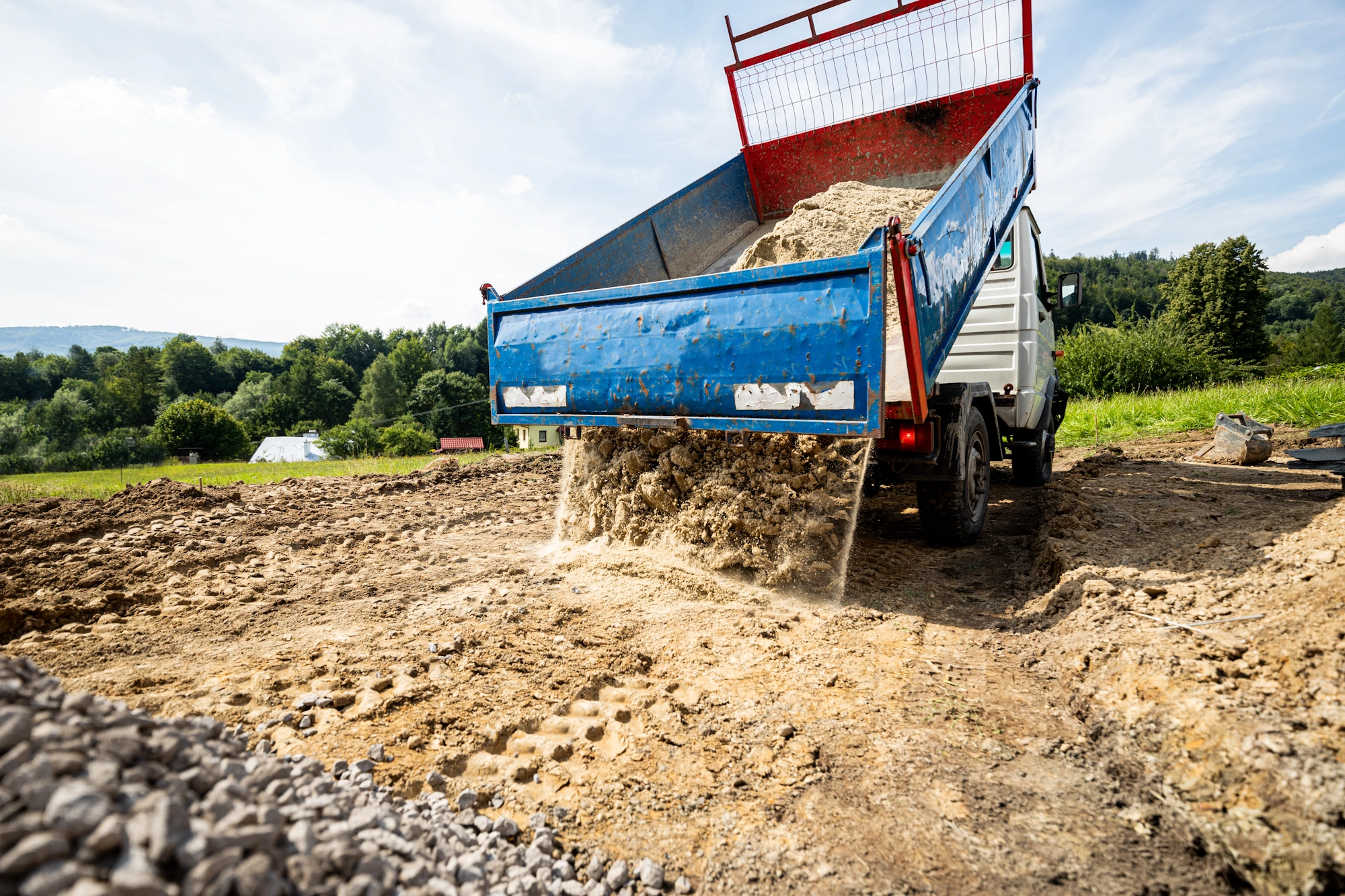
Base layer: about four inches of larger angular rock or screened asphalt millings, spread and compacted. This carries the weight and keeps the driveway from rutting.
Surface layer: about two inches of smaller crushed gravel, roughly three-quarters to one inch, for a firm, drivable top.
That is about six inches of rock total for a typical residential driveway. Softer or wetter ground wants more base. Skimp on the base and the driveway ruts and sinks, and fixing that later costs far more than the rock you saved.
Matching rock to the job
| Rock type | Rough size | Best use |
|---|---|---|
| Larger angular base rock | 1.5 in and up | Driveway and pad base, heavy loads |
| Screened asphalt millings | Crushed, mixed | Driveway base or surface, packs hard |
| Crushed surface gravel | 3/4 to 1 in | Driveway surface, firm walkways |
| Pea gravel (rounded) | Small, 1/4 to 3/8 in | Paths, patios, decorative areas |
| Larger landscape rock | 2 in and up | Drainage, dry creeks, French drains |
Landscaping and drainage rock
Away from the driveway, size follows function. Larger rock (a couple of inches and up) is what you want for drainage: dry creek beds, French drains, and downspout splash areas, where the gaps between big stones let water move. Smaller rounded gravel like pea gravel is the choice for paths, patios, and decorative beds where you want a comfortable surface and a clean look, as long as it is edged so it does not migrate into the grass.
The honest part: the budget pick is often the better pick
People assume nicer stone makes a better driveway. For a working driveway, it usually does not. Screened asphalt millings are frequently the best value we sell for a driveway, and they can outperform prettier stone: they knit together and firm up as they compact and warm in the Oklahoma sun, giving you a hard, low-dust surface for less. Save the decorative rock for the areas people actually look at. And wherever you can, do not cut the base to save money now; a thin base is the number-one reason gravel driveways fail early.
What we stock, and sizing your project
Locally we carry one-inch gravel and screened asphalt millings by the cubic yard, both solid choices for driveways, parking areas, and drainage. See them on our gravel page and asphalt millings page, with per-yard pricing on the pricing page. Working out a driveway? Our gravel driveway calculator guide walks through the depths and the math, and Oklahoma State University Extension has good local guidance on grading and drainage. When you have your dimensions, call (405) 826-2001 and we will size it and load you up or deliver.
People Also Ask
Common Questions About This Topic
What size gravel is best for a driveway?
A good gravel driveway uses two sizes, not one. Start with a base of larger, angular rock or screened asphalt millings, about four inches deep, to carry the weight. Then top it with a smaller crushed gravel, roughly three-quarters to one inch, about two inches deep, for a firm driving surface. Angular crushed rock is key because the sharp edges lock together and stay put; smooth rounded stone shifts and ruts.
What is the difference between crushed gravel and pea gravel?
Crushed gravel is angular, with sharp broken edges that interlock and pack into a firm surface, which is why it is used for driveways and bases. Pea gravel is small and rounded, so it stays loose and rolls underfoot. Pea gravel is nice for paths, patios, and decorative areas, but it makes a poor driveway because it never locks together and spreads out under traffic.
Are asphalt millings good for a driveway?
Yes, and they are often the best value. Screened asphalt millings are recycled pavement crushed to a workable size. Spread and compacted, they knit together and firm up over time, especially in the sun, giving you a hard, low-dust driveway for less than most new stone. They are a strong budget choice for driveways and parking areas around Norman.
How deep should gravel be for a driveway?
Plan on about six inches total for a residential driveway: roughly four inches of base rock or millings over graded, compacted soil, then about two inches of crushed surface gravel on top. Softer or wetter ground may need more base. Getting the base right is what keeps a driveway from rutting and sinking, so it is not the place to cut depth to save a little material.
What gravel do you carry near Norman, OK?
We stock one-inch gravel and screened asphalt millings by the cubic yard, both good for driveways, parking areas, and drainage, for pickup or delivery from our Norman yard. We can help you figure out how many yards your driveway or project needs. Call (405) 826-2001 with your dimensions and we will size it up and give you pricing.